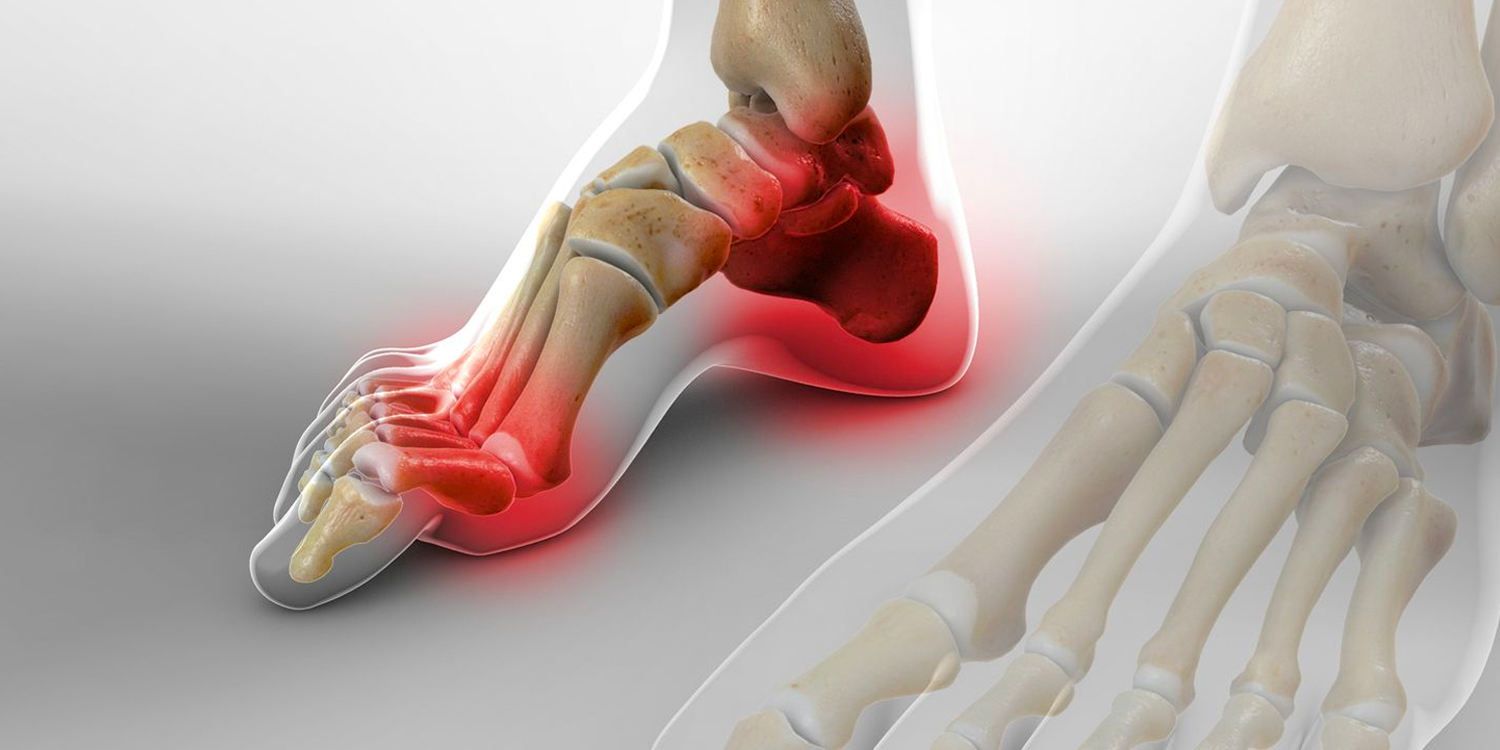
Cavus foot care should focus on the problems your high arches are causing. Your main concern may be a sore pressure point, an ankle that feels unstable, or shoes that never seem comfortable. Some people have high arches without symptoms and do not need treatment.
A useful care plan starts with specific concerns and clear goals.
Track what happens during a normal day
Before your appointment, write down where the pain starts and what you are doing when it appears. Note whether discomfort changes with different shoes, longer walks, or time spent standing.
You might record:
- The part of the foot that hurts.
- The shoes you wore that day.
- Any ankle rolling or near-falls.
- Whether a particular insert helped or made things worse.
This is not a home diagnostic test. It is a way to give your clinician a clearer picture of everyday life.
Ask about both cushioning and stability
A high-arched foot may need pressure relief in some areas and support in others. The right choice depends on the way the foot moves and where it carries weight.
Ask, “Where does my foot need cushioning, and where does it need more support?” That discussion can help you understand why a particular shoe, insert, or brace is being recommended.
Bring your regular footwear to the visit. Include work shoes or exercise shoes if those are the pairs you struggle with most.
Understand inserts and custom orthotics
Store-bought inserts are ready-made supports. Prescription orthotics are designed after an evaluation for an individual foot and condition.
Custom devices are not necessary for everyone. Ask what the proposed device is expected to improve and whether a simpler option is reasonable. Also ask how the device will fit inside the shoes you actually wear.
Orthotics may improve comfort or support, but they do not cure every cause of high arches.
Build up use as instructed
A new insert may require a gradual break-in period. Follow the instructions you receive, and contact the clinician if it creates new pain, rubbing, or skin irritation. Wearing it longer is not always the answer to a poor fit.
Ask when you should return for a fit check and what changes mean the device needs adjustment.
Discuss activity and balance concerns
Tell your clinician if you have stopped an activity because you fear another ankle sprain. A plan may involve a brace or other support based on your exam.
Do not copy a demanding exercise routine just because it is advertised for high arches. Tightness, weakness, flexibility, and the cause of the foot shape can differ from one person to another.
Keep an eye on your skin
If you have diabetes or reduced feeling in your feet, check for rubbing, blisters, or sores. Ask for advice before treating a callus yourself.
Contact a health professional promptly about an open wound or a red, warm, swollen area. Reduced pain does not make a skin problem harmless.
Questions to take to your appointment
Ask what is causing your high arches, what improvement is realistic, and how progress will be measured. Decide together which goal matters most: less pain, better balance, more comfortable shoes, or easier walking.
Cavus foot care in St Augustine
Explore high-arch care at Foot & Ankle Specialists of Eastern Florida, or request an appointment to discuss a plan for your daily routine.
Related reading: Read our overview of cavus foot causes and symptoms.
This article is for general education and does not replace an individual medical evaluation.
Medical sources
[2] APMA — Prescription Custom Orthotics and Shoe Inserts
[3] AOFAS FootCareMD — Orthotics